
Comparison / P005
Games Like lily's world XD
Similarity in this corner of the genre is rarely whole-game. One title supplies the desktop interface, another the early-web nostalgia, a third the feeling that the program is watching you back. This page sets out what each candidate actually shares and the point where the resemblance stops.
Quick answer
Emily is Away and Simulacra are the two games the developer names as her own inspirations, and they map onto the chat-window nostalgia and the read-someone's-device tension respectively. The Roottrees are Dead is the strongest match if you want a long, dense evidence archive, and KinitoPet is the usual answer if what hooked you was a program addressing you directly. Because each of those serves a different appetite, the criteria below are worth reading before the names.
- Steam release for Windows, 17 September 2026, plus the 2026 demo build. Candidate games are described as they stand now, not as they were at this game's launch.
- Two candidates come from the developer's own published statements; the collection threads are player recommendations gathered during the demo period and may be out of step with the full release.
- This page is not a ranking and quotes no playtime figures. It compares experience traits rather than scoring titles, and it does not cover this game's own puzzles or route.
Four traits people mean by similar
Players asking for something like this game are usually after one of four different things. Naming which one you want first stops you from buying a good game that answers a question you did not ask.
| Trait | What you are really asking for | How this game delivers it |
|---|---|---|
| Desktop investigation | Reading someone else's machine: files, history, apps, recovered data | All of it. Reviewers describe the game as playing out entirely on a virtual desktop, and the store tags it Investigation and Detective. |
| Early-web nostalgia | Blogs, forums and instant messaging with the texture of being online in the mid-2000s | Heavily. The in-game web is built from period stand-ins for social profiles, forums and search, right down to decorative text styling. |
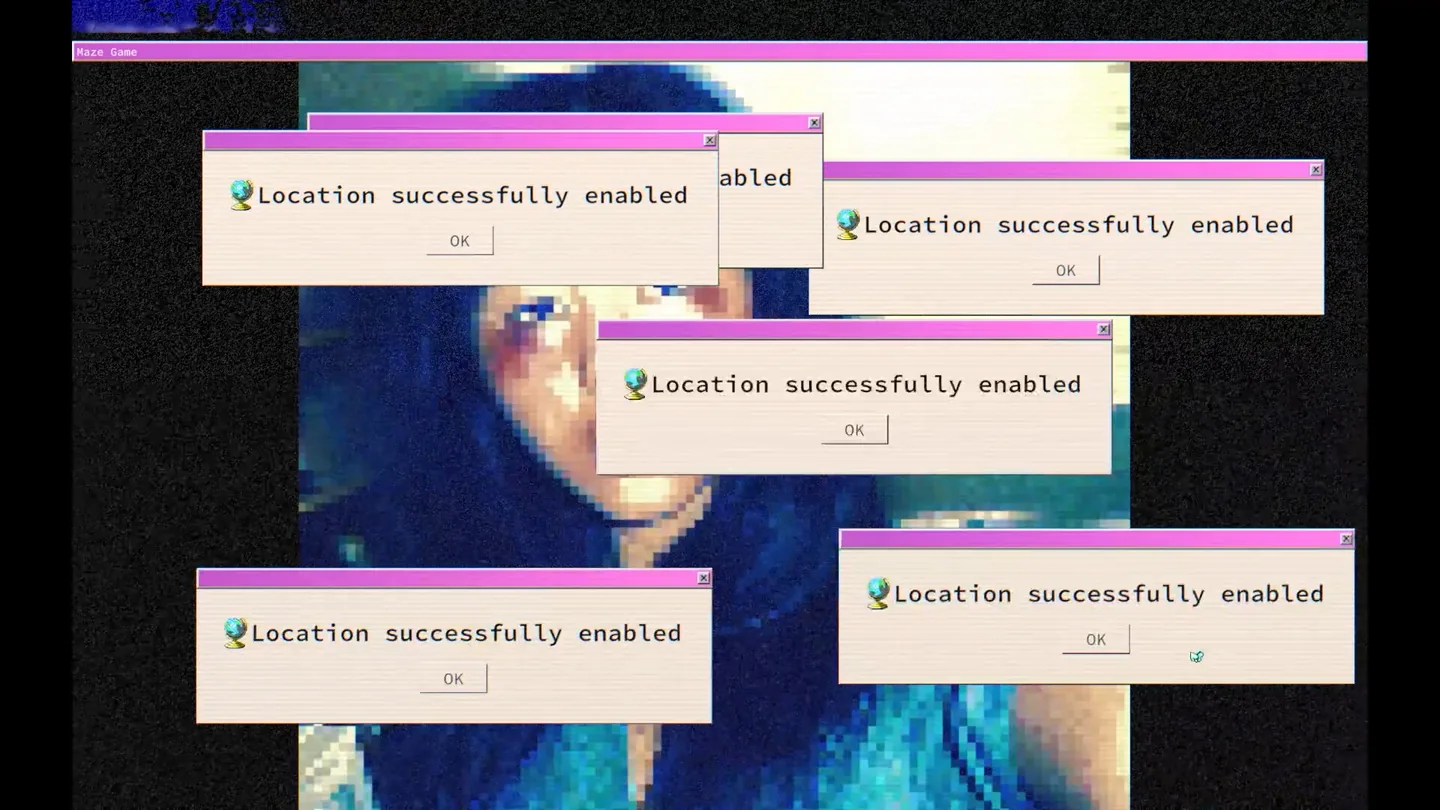
| Fourth-wall tension | A game that acknowledges the person at the keyboard rather than only the character | Present, and unusually literal. The game can read your Steam profile name and, if permitted, use your webcam and draw on your real friends list. |
| Horror intensity | How frightening the experience is minute to minute | Gentler than the reputation suggests. The word reviewers keep reaching for is unsettling rather than frightening. |
That last row is where most recommendation lists quietly mislead. A game can share the desktop format and the creeping wrongness and still be far more explicit, or far softer, than this one when the horror actually arrives.
The two the developer names herself
This is the only part of the comparison with a developer-side statement behind it, which makes it the most solid ground on the page.
In her own announcement, SonderingEmily identifies Emily is Away, a narrative game set in AIM, and Simulacra, a horror game set inside a phone, as the games that inspired this one. She cites the nostalgia and rawness of the first and the lost-media exploration of the second, then adds that she had previously made gentler games and moved toward a darker tone after playing Omori and Inscryption.
Candidates grouped by the trait they serve
Grouped by appetite rather than by quality, with the mismatch worth knowing before you buy.
For the chat-window and early-web feeling: Emily is Away, An Elmwood Trail
Emily is Away runs on AIM-era conversation and the specific ache of typing to someone who is drifting away, which is the register this game borrows most directly. An Elmwood Trail is the mobile-side take on the same idea and was described in player threads as one of the better versions of the style. Both are thinner on investigation than this game is.
For reading a device: Simulacra, The Operator
Simulacra turns a phone into the crime scene, and The Operator was recommended alongside it for similar mechanisms. If what you liked here was scrolling through someone's private life and assembling a picture from the fragments, these are the closest in activity. Neither carries the period-web texture that this game spends so much effort on.
For a dense archive of evidence: The Roottrees are Dead, Desktop Explorer, The Painscreek Killings
The Roottrees are Dead comes up in player threads as the longer, more satisfying version of exactly this activity, and the other two are document-and-desktop investigation games in the same family. All three lean harder into deduction puzzles and lighter on the emotional throughline than this game does.
For a program that talks back: KinitoPet, Doki Doki Literature Club
KinitoPet is the nearest match for a companion program with intentions of its own, and the developer cites Doki Doki Literature Club when describing the fourth-wall moments she was reaching for. Both push further into meta-horror than this game chooses to, and Doki Doki Literature Club in particular is worth checking content notes on before you start.
For lost media and the uncanny archive: Simulacra again, The Séance of Blake Manor
Simulacra returns here because its lost-media thread is the second half of what the developer says she was borrowing. The Séance of Blake Manor comes from one aggregator's adventure-and-simulation selection rather than from a player thread, so treat it as a discovery lead rather than a close match.
What the store groups it with
The official listing offers this game in named bundles. That grouping is a merchandising decision rather than a similarity claim, but it is the one store-side signal about what sits nearby.
- Don't Trust Her
- Parent of the Year
- Layers of Truth
Each is a two-item bundle discounted by ten percent, and the store text notes there are four bundles in total. Only three bundle names appear on the page, so the fourth stays unknown rather than guessed at.
Why recommendation lists disagree
That aggregator pages produce different answers for the same query because they are answering different questions. Merging them into one ranking would produce a list that means nothing.
One similarity engine sorts by tags such as investigation, psychological horror and retro presentation, which is how both a well-known title and an unreleased one end up near the top; a high score for an unreleased game is a metadata match, not something you can play. A database-driven list sorts by atmospheric horror on a desktop and returns a completely different set. A deals aggregator sorts by adventure and simulation indie releases, which is how a game that shares only a publisher lands on the same page as this one.
Read them for discovery rather than for order. When a name recurs across several lists it is worth a look; when it appears once with an odd rationale, check the reason before you treat it as a match.
Where this game sits, in one paragraph
A desktop investigation game with a period-web setting, a personal rather than forensic voice, and a lighter horror register than the fourth-wall comparisons imply.
The review consensus points the same way. One outlet remarks that the business of snooping around someone's desktop or phone is absolutely nailed here, and another calls the tone as poignant as it is unsettling. The most consistent criticism concerns a mid-game stretch of conversation where you can simply ask for help, which that reviewer felt temporarily removes the challenge before it returns in the later sections.